VMPL
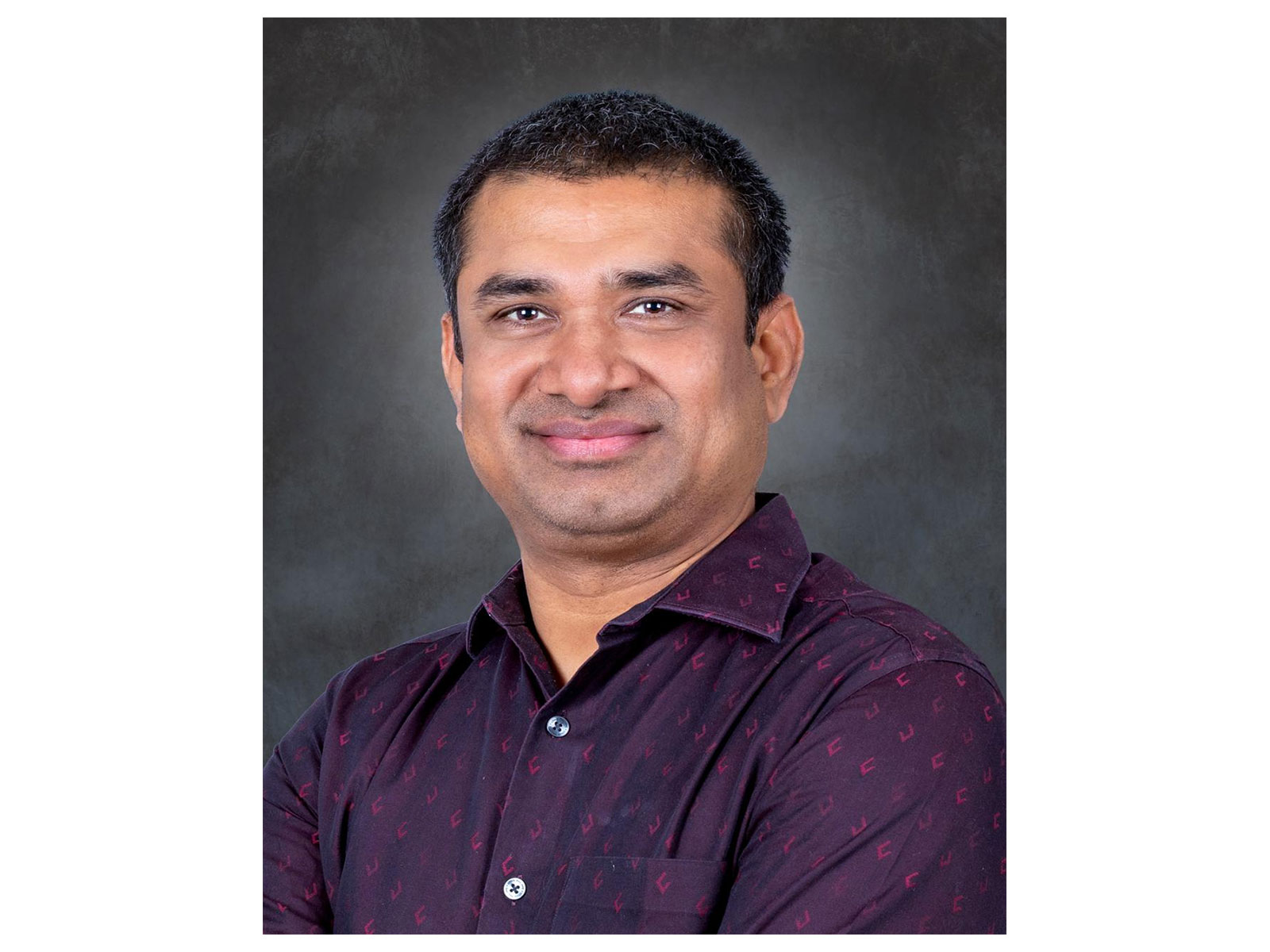
Kolkata (West Bengal) [India], September 24: In an education landscape where career choices are increasingly shaped by academic scores, parental expectations, social trends, and rapidly changing employment opportunities, Kolkata-based mentor, author, and educationist Goutam Mandal is working to bring a more structured, holistic approach to career decision-making for students.
Mandal, the founder of Holistic Rediscovery, began his professional career in the technology and service-delivery sector. With a master’s degree in Statistics from BHU Varanasi, completed in 2000, and more than two decades of professional experience across technology, analytics, education, and leadership, his transition from corporate service delivery to student mentoring was not an overnight decision.
According to Mandal, several years of certifications, learning, and exposure to psychometric assessment methodologies before leaving the corporate sector helped prepare him for the transition. After establishing his work in Kolkata, he gradually developed a practice focused on helping students understand themselves before making decisions about their education and careers.
“I realized that career selection cannot be reduced to choosing a stream or a profession. A student first needs to understand who they are, what they value, where their strengths lie and what kind of future they want to create,” Mandal says.
Moving beyond conventional career counseling
Holistic Rediscovery's approach positions career counseling as an ongoing developmental process rather than a one-time counseling session.
Its Holistic Inner Compass Career Counseling Framework brings together elements such as purpose, values, strengths, goals, milestones, challenges, and the potential impact of career decisions. Psychometric assessments are one component of the process rather than the sole basis for recommending a career.
The organization also works with students on career exploration and prototyping, helping them examine possible career pathways before making long-term educational decisions.
The broader objective, Mandal says, is to help students move from “What should I become?” towards “Why am I choosing this path, and does it align with who I am?”
This becomes particularly relevant for students in Classes 9 to 12, a stage when decisions about subjects, streams, entrance examinations, and higher education can significantly influence later opportunities.
The social cost of an unaligned career choice
Mandal believes that inappropriate career choices can have consequences extending beyond the individual student.
When students enter courses or professions mainly because of social pressure, parental expectations, or perceived prestige, difficulties can emerge later as disengagement, financial losses, academic stress, and uncertainty about the future.
Holistic Rediscovery therefore places considerable emphasis on involving parents in the counseling process and encouraging conversations around a student's individual strengths and aspirations.
The organization's philosophy is that career clarity can contribute not only to professional direction but also to healthier family decision-making and more purposeful use of educational resources.
From individual counseling to school governance
A significant evolution in Mandal's work has been the move from individual career counseling towards school-level systems and governance.
Holistic Rediscovery is developing its Holistic School Governance Framework, with career counseling positioned as one of its important components.
The model seeks to integrate student development, career awareness and decision-making into the school's broader educational ecosystem rather than treating counseling as an isolated annual activity.
The underlying idea is simple: schools should not only prepare students to perform well in examinations but also help them understand themselves, explore future possibilities and develop the capabilities required for a changing world.
The approach also aligns with the wider discussion around competency-based education, experiential learning, and student development in India's evolving education landscape.
Preparing students for an AI-driven world
The emergence of artificial intelligence has added another dimension to the career conversation.
Traditional assumptions about stable professions and predictable career pathways are increasingly being challenged by automation, generative AI, and changes in the skills employers demand.
Holistic Rediscovery has therefore been incorporating discussions around AI, emerging careers, skills, learning patterns and future employability into its student-oriented programs.
Mandal argues that students should not approach AI merely as a technology to be learned. They need to understand how AI may change the nature of work itself and consequently what human capabilities they should develop.
This includes critical thinking, adaptability, communication, creativity, decision-making and the ability to continuously learn.
Taking counseling beyond those who can afford it
One of the challenges associated with professional career counseling in India is accessibility.
Holistic Rediscovery has been exploring partnerships with NGOs, community organizations and service organizations to extend career-awareness and counseling initiatives to students who may otherwise have limited access to such services.
The organization has worked with and through service-oriented networks including Rotary, using the network's community reach to connect with schools and students.
Through these collaborations, the objective is to shift career guidance from an individual commercial service to a broader social-development initiative.
Rotary clubs and other community organizations can help identify schools, mobilize students and parents, and create local platforms where trained mentors and counsellors can interact with young people.
For Mandal, this collaborative model is important because the challenge is too large for any single organization to address independently.
Building a network around students
Holistic Rediscovery's collaboration with service organizations also reflects a broader philosophy: career development should involve an ecosystem.
Schools provide the educational environment. Parents provide family support. Mentors provide guidance. Psychometric tools can provide structured insights. NGOs and service organizations can improve outreach. Industry professionals can provide exposure to real-world careers.
The objective is to connect these different stakeholders around the student.
Mandal believes such an ecosystem is particularly important for first-generation learners and students from communities where exposure to diverse career options may be limited.
The larger vision
Mandal's work is now moving towards building Holistic Rediscovery as a platform that combines career counseling, student mentoring, school governance, and future-readiness.
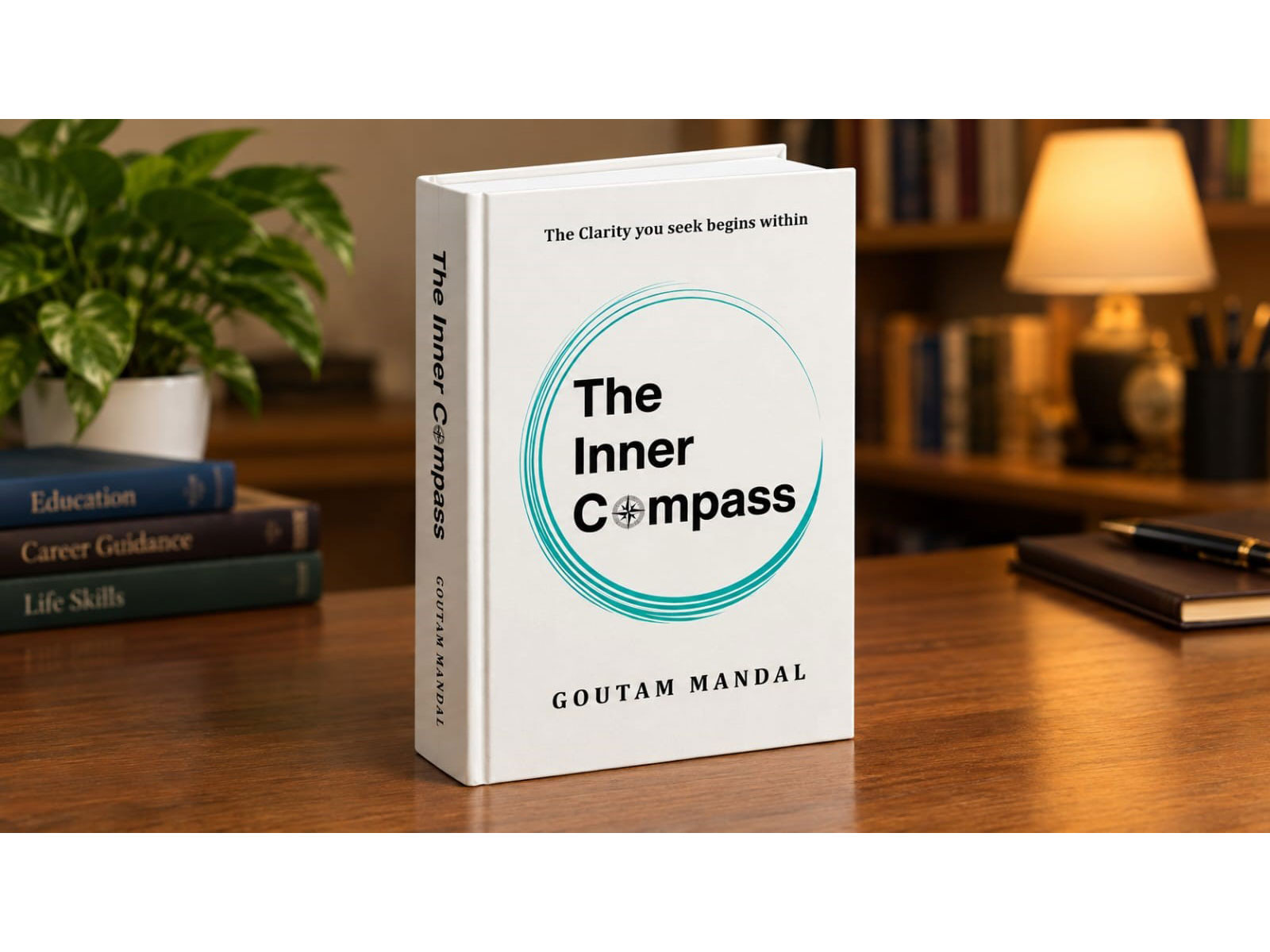
His book, The Inner Compass, is also part of this effort, encouraging students to look inward as they make decisions about their future.
The larger message behind his work is that education without direction can leave students with qualifications but insufficient clarity about how those qualifications fit into their lives.
As artificial intelligence reshapes occupations and the traditional relationship between education and employment continues to evolve, the question of how young people make career decisions is becoming increasingly significant.
For Mandal, the answer begins not with a list of professions, but with the individual student.
“One aligned student can change an entire ecosystem” is the philosophy that increasingly defines his work.
Through Holistic Rediscovery, Mandal is attempting to make career guidance a more accessible and integrated part of the education ecosystem, one student, one school, and one community at a time.
For more information you can visit on: LinkedIn
(ADVERTORIAL DISCLAIMER: The above press release has been provided by VMPL. ANI will not be responsible in any way for the content of the same.)